Dry Infrared Sauna: How It Differs from Traditional Steam Saunas
When researching saunas, you'll encounter terms like "dry sauna," "infrared sauna," and "steam sauna." Understanding the differences helps you choose the right heat therapy for your goals. Infrared saunas are inherently "dry" saunas—here's what that means and why it matters.
Understanding Sauna Types
Traditional Finnish Sauna
The classic sauna experience:
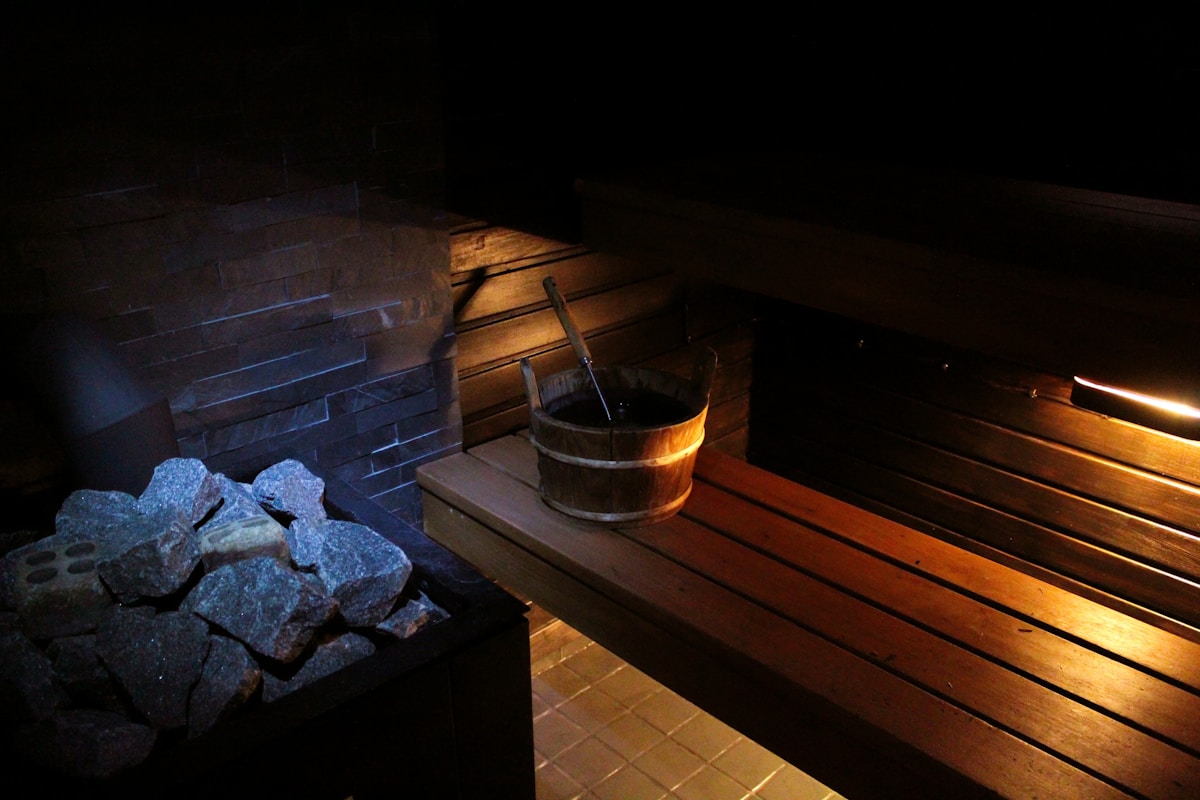
- Heat source: Electric or wood-burning heater with rocks
- Temperature: 150-195°F (65-90°C)
- Humidity: Can vary—"dry" when no water is added, humid when water is poured on rocks (löyly)
- Heat type: Convection (heats the air)
Infrared Sauna (Dry)
Modern heat therapy technology:
- Heat source: Infrared panels or emitters
- Temperature: 120-150°F (49-65°C)
- Humidity: Very low (naturally dry)
- Heat type: Radiant (heats your body directly)
Steam Room
Different from saunas entirely:
- Heat source: Steam generator
- Temperature: 110-120°F (43-49°C)
- Humidity: Near 100%
- Heat type: Moist convection
Why Infrared Saunas Are "Dry"
Infrared saunas don't heat the air the way traditional saunas do. Instead, infrared light penetrates your skin directly, heating your body from within. This means:
- No steam or humidity needed: The heat comes from light, not hot air
- Lower ambient temperature: Feels less oppressive while still inducing sweating
- No water on rocks: No mechanism to add humidity
This dry environment makes infrared saunas ideal for people who find traditional sauna humidity uncomfortable or hard to breathe in.
Dry Heat vs. Humid Heat: Benefits Comparison
| Factor | Dry Infrared Sauna | Traditional (Humid) | Steam Room |
|---|---|---|---|
| Temperature | 120-150°F | 150-195°F | 110-120°F |
| Humidity | 10-20% | 10-60% (variable) | 100% |
| Sweat onset | 10-15 min | 5-10 min | 5-10 min |
| Breathing ease | Excellent | Good to moderate | Can be difficult |
| Deep tissue heat | Excellent | Good | Surface only |
| Session length | 30-45 min | 15-20 min | 10-15 min |
Benefits of Dry Infrared Heat
Easier breathing: Lower temperatures and humidity make it comfortable for those with respiratory sensitivities.
Deeper penetration: Infrared wavelengths penetrate 1.5-2 inches into tissue, heating muscles and joints directly.
Longer sessions: The milder environment allows for extended sessions without overheating.
Lower cardiovascular stress: Gentler on the heart while still providing benefits.
Benefits of Humid/Steam Heat
Respiratory support: Steam can help open airways and loosen congestion.
Skin hydration: Moisture can benefit dry skin conditions.
Traditional experience: Many prefer the classic Finnish sauna ritual.
Who Should Choose Dry Infrared Sauna?
Ideal For:
- Heat-sensitive individuals: Lower temperatures are more tolerable
- Those with respiratory concerns: Dry air is easier to breathe
- Chronic pain sufferers: Deep infrared penetration targets muscles and joints
- Those who enjoy deep sweating: Infrared may promote more thorough sweating
- Longer session preference: 30-45 minute sessions are comfortable
- First-time sauna users: Gentler introduction to heat therapy
Consider Traditional Sauna If:
- You enjoy the classic Finnish experience
- You want the ritual of adding water to rocks
- You prefer higher temperatures
- You want shorter, more intense sessions
Infrared Wavelength Types
Infrared saunas use different wavelength ranges:
Near-Infrared (NIR): 700-1400nm
- Shortest wavelength
- Skin rejuvenation focus
- Wound healing support
Mid-Infrared (MIR): 1400-3000nm
- Moderate penetration
- Circulation improvement
- Pain relief
Far-Infrared (FIR): 3000nm-1mm
- Deepest penetration
- Core body heating
- Deep sweating
Many modern infrared saunas offer "full spectrum" with all three types.
What to Expect in a Dry Infrared Sauna
Before Your Session
- Hydrate well
- Shower to remove lotions and oils
- Wear minimal clothing or a towel
During Your Session
- Sweating begins around 10-15 minutes
- Temperature feels mild compared to traditional sauna
- Deep, penetrating warmth rather than surface heat
- Most sessions last 30-45 minutes
After Your Session
- Cool down gradually
- Shower to rinse off sweat
- Rehydrate thoroughly
- Many report improved sleep that night
Finding Infrared Sauna in Tampa Bay
Infrared saunas are everywhere in Tampa Bay now. South Tampa's boutique wellness studios favor private infrared suites. Downtown and Westshore have quick-access options for the lunch crowd. Wesley Chapel and the New Tampa corridor offer full-spectrum setups in dedicated recovery centers. Lutz, Land O' Lakes, and Carrollwood are catching up with both standalone studios and gyms adding infrared options.
Look for:
- Full-spectrum infrared panels
- Clean, well-maintained cabins
- Temperature control options
- Knowledgeable staff
Explore Infrared Sauna in Tampa Bay, read our Infrared Sauna Guide, or find Infrared Sauna in Tampa.