Infrared Sauna vs Traditional Sauna: A Complete Comparison
Both make you sweat. Both feel good. But infrared and traditional saunas work differently, and the best choice depends on your goals, preferences, and tolerance for heat.
How They Work
Traditional Sauna
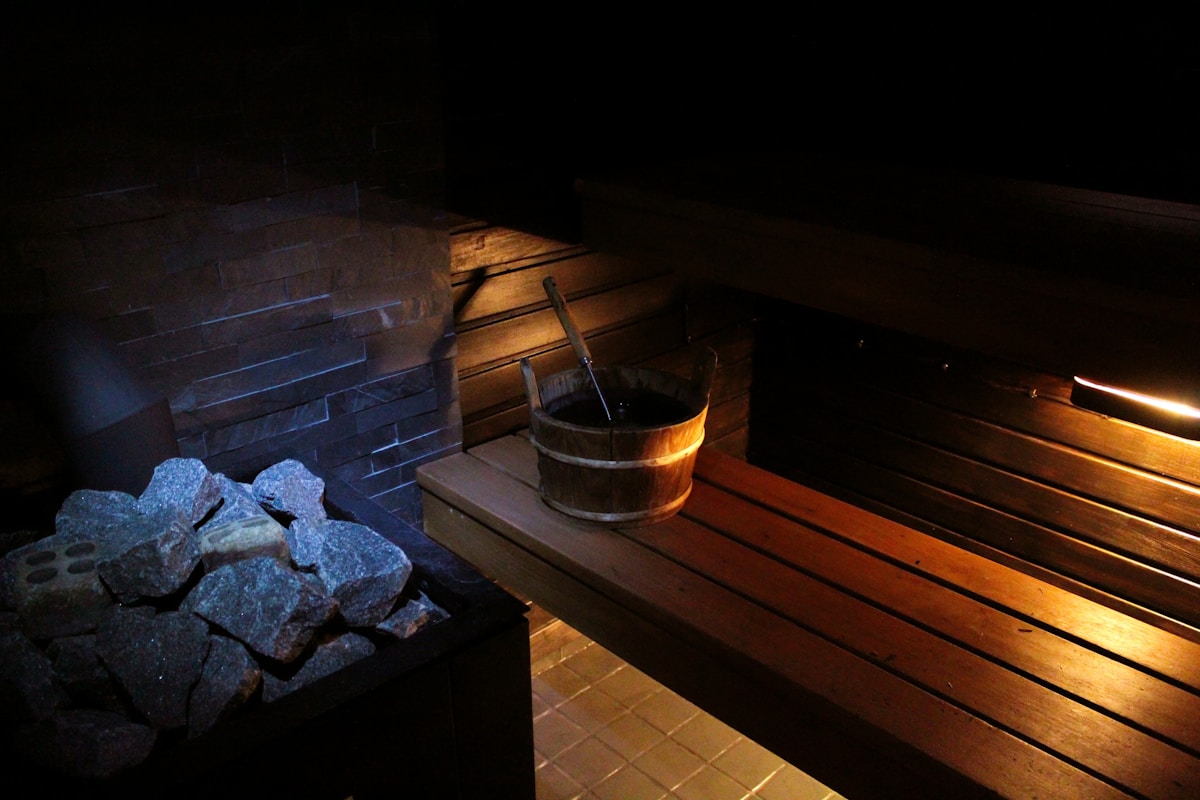
Traditional saunas (also called Finnish saunas) heat the air around you:
- Heat source: Electric heater or wood-burning stove with rocks
- Temperature: 150-195°F (65-90°C)
- Humidity: Dry by default; water on rocks creates steam (löyly)
- Mechanism: Hot air heats your skin, which heats your body
The experience is intense. The air is hot enough to feel challenging, and sessions are typically shorter (10-20 minutes).
Infrared Sauna
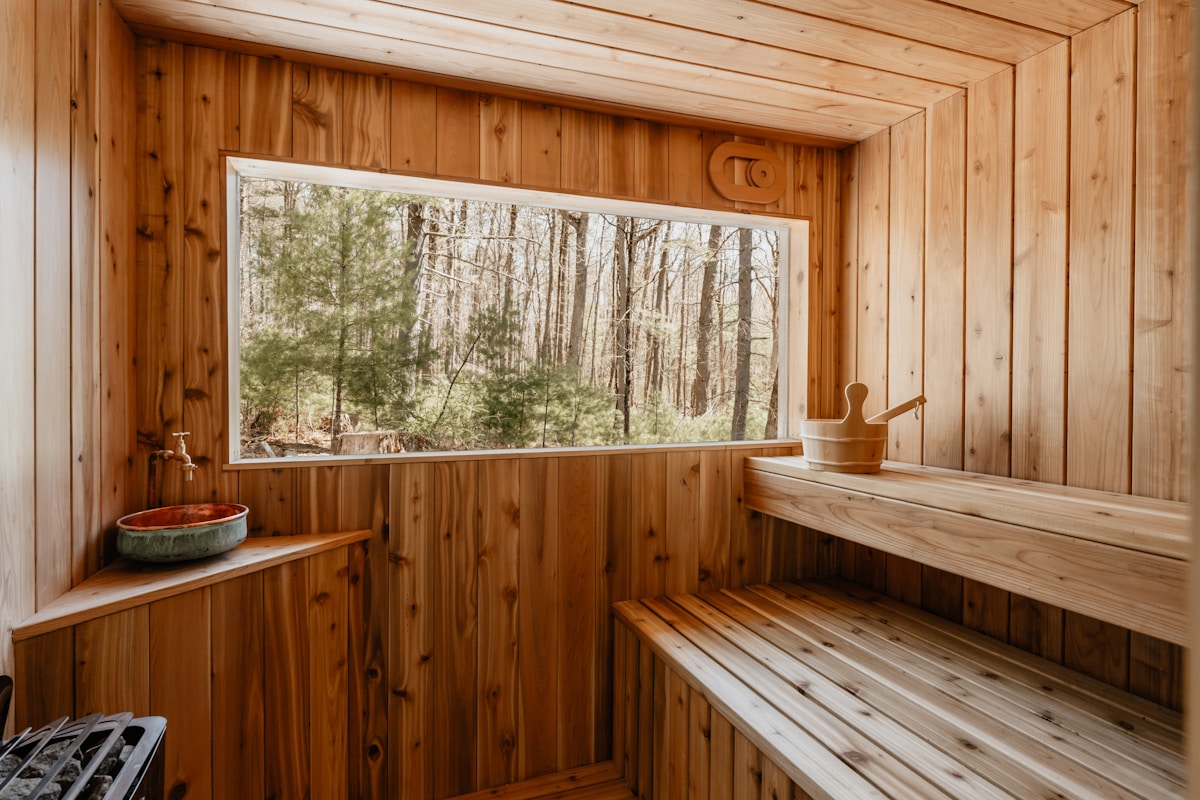
Infrared saunas use light panels to heat your body directly:
- Heat source: Infrared emitters (near, mid, or far-infrared wavelengths)
- Temperature: 120-150°F (49-65°C)
- Humidity: Always dry (no steam option)
- Mechanism: Infrared light penetrates skin and heats tissue directly
The experience is gentler. Air temperature is lower, so you can stay longer (20-45 minutes) while still sweating profusely.
The Science Comparison
Traditional Sauna Research
Traditional saunas have decades of research, particularly from Finland:
- Cardiovascular benefits: A landmark Finnish study of 2,315 men found that those using sauna 4-7 times per week had 63% lower risk of sudden cardiac death compared to once-weekly users (Laukkanen et al., JAMA Intern Med)
- Stroke risk: Follow-up research showed 61% lower stroke risk in frequent sauna users (Kunutsor et al., Neurology)
- Blood pressure: Acute reductions during and after sessions
- Longevity: Finnish studies show dose-response relationship—more sauna, longer life
- Mental health: Associated with reduced depression and dementia risk (Laukkanen et al., Age Ageing)
Infrared Sauna Research
Infrared research is newer but growing:
- Chronic pain: A pilot study found patients with rheumatoid arthritis and ankylosing spondylitis showed short-term improvements in pain and stiffness with good tolerance (Oosterveld et al., Clin Rheumatol)
- Chronic fatigue: Japanese research on "Waon therapy" (a form of infrared sauna) showed benefits for chronic fatigue syndrome (Masuda et al., Intern Med)
- Cardiovascular: Similar acute effects to traditional sauna (heart rate, blood pressure)
- Recovery: A 2023 study found post-exercise infrared sauna improved neuromuscular recovery (Ahokas et al., Front Sports Act Living)
The Honest Comparison
Traditional saunas have more research, but that's partly because they've been studied longer. The physiological responses (elevated heart rate, sweating, heat shock proteins) are similar. Neither is definitively "better"—they're different tools.
Experience Comparison
| Factor | Traditional Sauna | Infrared Sauna |
|---|---|---|
| Air temperature | 150-195°F | 120-150°F |
| Session length | 10-20 min | 20-45 min |
| Heat sensation | Intense, enveloping | Gentle, penetrating |
| Breathing | Can feel challenging | Easy, comfortable |
| Sweat onset | Fast (2-5 min) | Slower (5-10 min) |
| Sweat volume | High | High (often higher due to longer sessions) |
| Social aspect | Traditional in groups | Often private pods |
| Steam option | Yes (water on rocks) | No |
Who Should Choose Traditional Sauna?
Traditional sauna is ideal if you:
- Enjoy intense heat - You want to feel challenged
- Prefer shorter sessions - 10-20 minutes fits your schedule
- Want the authentic experience - The ritual, the steam, the tradition
- Prioritize cardiovascular research - Most longevity studies used traditional saunas
- Like the social aspect - Traditional saunas are often communal
Who Should Choose Infrared Sauna?
Infrared sauna is ideal if you:
- Are heat-sensitive - Lower temperatures are more comfortable
- Want longer sessions - 30-45 minutes of relaxation
- Have chronic pain - Research specifically supports infrared for pain conditions
- Prefer privacy - Many infrared setups are individual pods or rooms
- Are new to sauna - Easier entry point for beginners
Can You Get Both Benefits?
Yes. Many Tampa wellness centers offer both types, and there's no reason you can't use each for different purposes:
- Traditional for intense cardiovascular stimulus and the authentic experience
- Infrared for longer, more comfortable recovery sessions
Some people alternate based on mood, time available, or training schedule.
What About "Full Spectrum" Infrared?
Some infrared saunas advertise "full spectrum" with near, mid, and far-infrared wavelengths. The theory is that different wavelengths penetrate to different depths:
- Near-infrared (700-1200nm): Skin surface, wound healing
- Mid-infrared (1200-3000nm): Deeper tissue, circulation
- Far-infrared (3000nm+): Deepest penetration, core heating
The research on wavelength-specific benefits is limited. Full-spectrum saunas aren't necessarily better—they're just different. Don't pay a huge premium based on wavelength claims alone.
Finding Sauna in Tampa Bay
Tampa Bay has excellent options for both sauna types:
Traditional saunas are found at:
- Some gyms and fitness centers
- Dedicated wellness spas
- Nordic-inspired recovery studios
Infrared saunas are more common at:
- Med spas and wellness centers
- Recovery studios
- Boutique fitness facilities
Many facilities offer both, letting you experiment and find your preference.
Find infrared sauna in Tampa or browse our sauna directory.