The Finnish Town Where Everyone Lives Longer
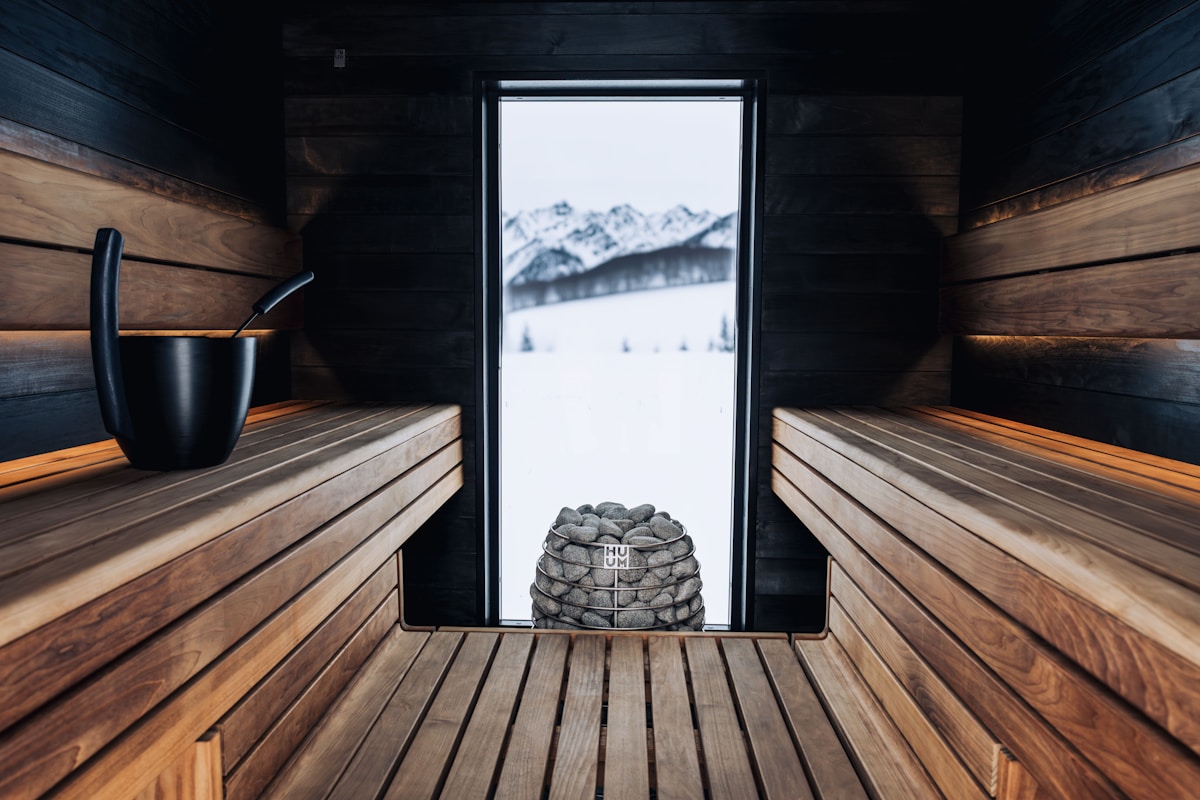
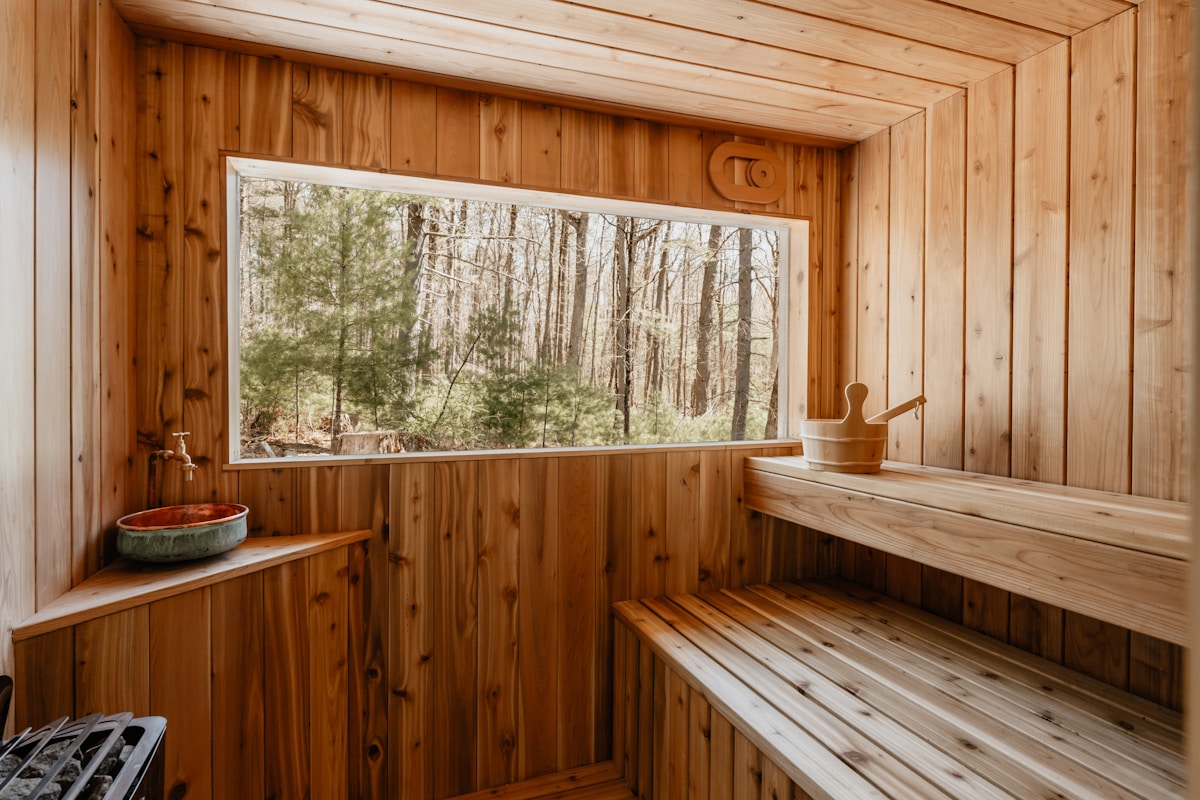
In Kuopio, a city in eastern Finland, saunas outnumber cars. Nearly every apartment building has one. The local hospital has one. It's not a wellness trend—it's infrastructure, as unremarkable as running water.
In 1984, researchers at the University of Eastern Finland started tracking the health of 2,315 middle-aged men from this region. They recorded everything: blood pressure, cholesterol, exercise habits, alcohol consumption, smoking status. And they recorded how often each man used a sauna.
Then they waited. For over twenty years.
What Twenty Years of Data Showed
When the researchers finally published their findings in JAMA Internal Medicine in 2015, the numbers were hard to ignore. (Laukkanen et al., JAMA Intern Med)
Men who used a sauna 4-7 times per week had a 40% lower risk of dying from any cause compared to men who used one just once weekly.
Not 10%. Not 15%. Forty percent.
The effect held up after the researchers adjusted for age, BMI, blood pressure, smoking, alcohol, prior heart disease, diabetes, and exercise habits. The sauna users weren't just healthier people who happened to like heat—something about the practice itself seemed to matter.
The Gradient That Convinced Skeptics
What made the data compelling wasn't just the size of the effect. It was the pattern.
| Sauna Frequency | All-Cause Mortality Risk |
|---|---|
| Once per week | Baseline |
| 2-3 times per week | 24% lower |
| 4-7 times per week | 40% lower |
More sauna, less death. In a clean, stepwise gradient.
This dose-response relationship is what researchers look for when trying to distinguish real effects from statistical noise. Random associations don't produce consistent stair-step patterns like this.
The same gradient appeared for sudden cardiac death (63% reduction in frequent users), coronary heart disease, and stroke.
Then They Looked at Dementia
A follow-up analysis examined the same men's cognitive outcomes. The pattern repeated. (Laukkanen et al., Age Ageing)
Men using sauna 4-7 times weekly had a 66% lower risk of dementia and 65% lower risk of Alzheimer's disease compared to once-weekly users.
This makes biological sense. Cardiovascular health and brain health are deeply connected—what protects the heart tends to protect the brain. Better blood flow, lower inflammation, healthier blood vessels.
But there may be more to it. Heat shock proteins, which the body produces when core temperature rises, have neuroprotective properties in laboratory studies. Whether this translates to human brain protection is still being studied.
What a Typical Finnish Sauna Session Looks Like
The men in the study weren't doing anything extreme. A typical session:
- Temperature: 80-100°C (176-212°F)—traditional Finnish saunas run hot
- Duration: 15-20 minutes per session
- Frequency: The healthiest group averaged 4-7 sessions per week
- Cooling: Often followed by a cold shower or outdoor cooling
No special protocols. No optimization hacks. Just regular heat exposure, built into daily life like brushing teeth.
Why Heat Might Extend Life
Researchers have proposed several mechanisms:
Cardiovascular training: Sauna mimics mild cardio. Heart rate increases to 100-150 bpm. Blood vessels dilate. Blood pressure rises temporarily, then falls. Regular exposure may condition the cardiovascular system similarly to aerobic exercise.
Inflammation reduction: Long-term sauna users in the Finnish cohort showed lower levels of C-reactive protein (CRP), a marker of systemic inflammation. Chronic inflammation drives most age-related diseases.
Heat shock proteins: Cellular stress from elevated temperature triggers production of protective proteins that repair damaged proteins and support cellular function. This is hormesis—moderate stress that strengthens systems.
Autonomic balance: Heat exposure followed by cooling may improve the balance between sympathetic and parasympathetic nervous system activity. Better stress resilience, better cardiovascular regulation.
The Caveats
The Finnish data is observational. It's possible that people healthy enough to tolerate frequent sauna use are simply healthier to begin with. The researchers controlled for many confounders, but you can never eliminate all of them.
Cultural context matters too. Finnish sauna practice involves specific temperatures, durations, and social rituals that may not translate perfectly to American infrared saunas or gym steam rooms.
The original cohort was exclusively middle-aged men. Subsequent studies have included women and shown similar patterns, but the evidence base is still weighted toward male populations.
What This Means for You
The Finnish data doesn't prove that sauna will extend your life. But it suggests that regular heat exposure—consistent, moderate, built into routine—may be one of the lifestyle factors that supports healthy aging.
The men with the best outcomes weren't doing extreme temperatures or marathon sessions. They were simply making sauna a regular part of life, multiple times per week, for decades.
If you're looking for a longevity practice that's low-effort and pleasant, the Finnish model is worth considering. Find a sauna. Use it regularly. Make it unremarkable.
Finding Sauna in Tampa Bay
Tampa Bay has infrared and traditional saunas across the region—from South Tampa's boutique studios to Wesley Chapel's newer wellness centers. Most offer temperatures between 120-180°F depending on the type.
Explore Infrared Sauna in Tampa or browse our sauna directory.