Should You Try Hyperbaric Oxygen for Brain Health?
HBOT (hyperbaric oxygen therapy) is getting attention for brain health—from TBI recovery to age-related cognitive decline. But it's expensive, time-intensive, and not right for everyone.
This guide helps you decide if you're a good candidate.
Quick Decision Framework
Strong candidates for HBOT:
- Post-concussion syndrome that hasn't resolved with standard treatment
- Stroke survivors (even years post-event) with residual deficits
- Adults 50+ noticing cognitive decline (processing speed, memory)
- Long COVID brain fog that hasn't improved
Probably skip HBOT if you:
- Have no specific cognitive concerns (just general "optimization")
- Can't commit to 40+ sessions over 8-12 weeks
- Have untreated pneumothorax, certain seizure disorders, or ear/sinus issues
- Expect results from a handful of sessions
Talk to a doctor first if you:
- Are on blood thinners or other medications that interact with oxygen
- Have claustrophobia (some chambers are tight)
- Have any chronic health conditions
The Research by Condition
Post-Concussion / Traumatic Brain Injury
Evidence strength: Strong
A 2013 study of military veterans with mild TBI showed significant improvements in cognitive function, PTSD symptoms, and quality of life after 40 HBOT sessions. (Harch et al., J Neurotrauma)
Who responds best: People with lingering symptoms 3+ months post-injury who haven't responded to rest and standard rehab.
Typical protocol: 40 sessions, 60-90 minutes each, at 1.5-2.0 ATA.
Stroke Recovery
Evidence strength: Promising
A 2013 Israeli study found patients who received HBOT 6-36 months post-stroke showed significant improvements in neurological function. Brain imaging revealed increased metabolic activity in damaged areas. (Efrati et al., PLoS ONE)
Who responds best: Stroke survivors with stable deficits who want to attempt further recovery beyond the typical plateau.
Typical protocol: 40-60 sessions.
Age-Related Cognitive Decline
Evidence strength: Emerging
A 2020 randomized controlled trial showed adults over 64 who received 60 HBOT sessions improved in attention, processing speed, and executive function. Brain imaging showed increased cerebral blood flow. (Hadanny et al., Aging)
Who responds best: Adults 50+ noticing memory issues or mental fog, without diagnosed dementia.
Typical protocol: 60 sessions over 3 months.
Alzheimer's and Dementia
Evidence strength: Preliminary
Some studies show HBOT may reduce amyloid plaque formation and improve cognitive scores in early-stage patients. More research needed.
Who responds best: Unknown. This is still experimental.
How HBOT Works on the Brain
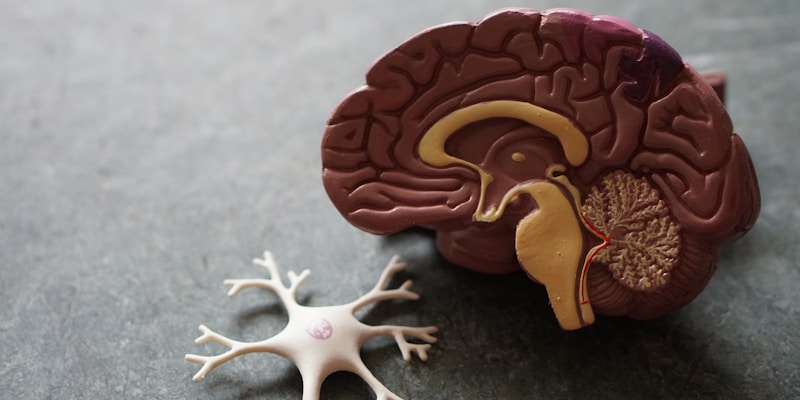
Your brain consumes 20% of your body's oxygen despite being only 2% of your weight. HBOT increases plasma oxygen levels 10-15x, reaching areas with compromised blood flow.
The mechanisms that matter for brain health:
| Mechanism | What It Does |
|---|---|
| Stem cell mobilization | Increases circulating stem cells that support brain repair |
| Neuroplasticity | Stimulates growth factors (VEGF, BDNF) that promote new connections |
| Anti-inflammation | Reduces chronic brain inflammation linked to cognitive decline |
| Blood vessel formation | Promotes angiogenesis in oxygen-deprived areas |
What HBOT Actually Looks Like
The commitment: This isn't a one-and-done therapy. Brain benefits require:
- 40-60 sessions total
- 60-90 minutes per session
- 5 sessions per week
- 8-12 week treatment course
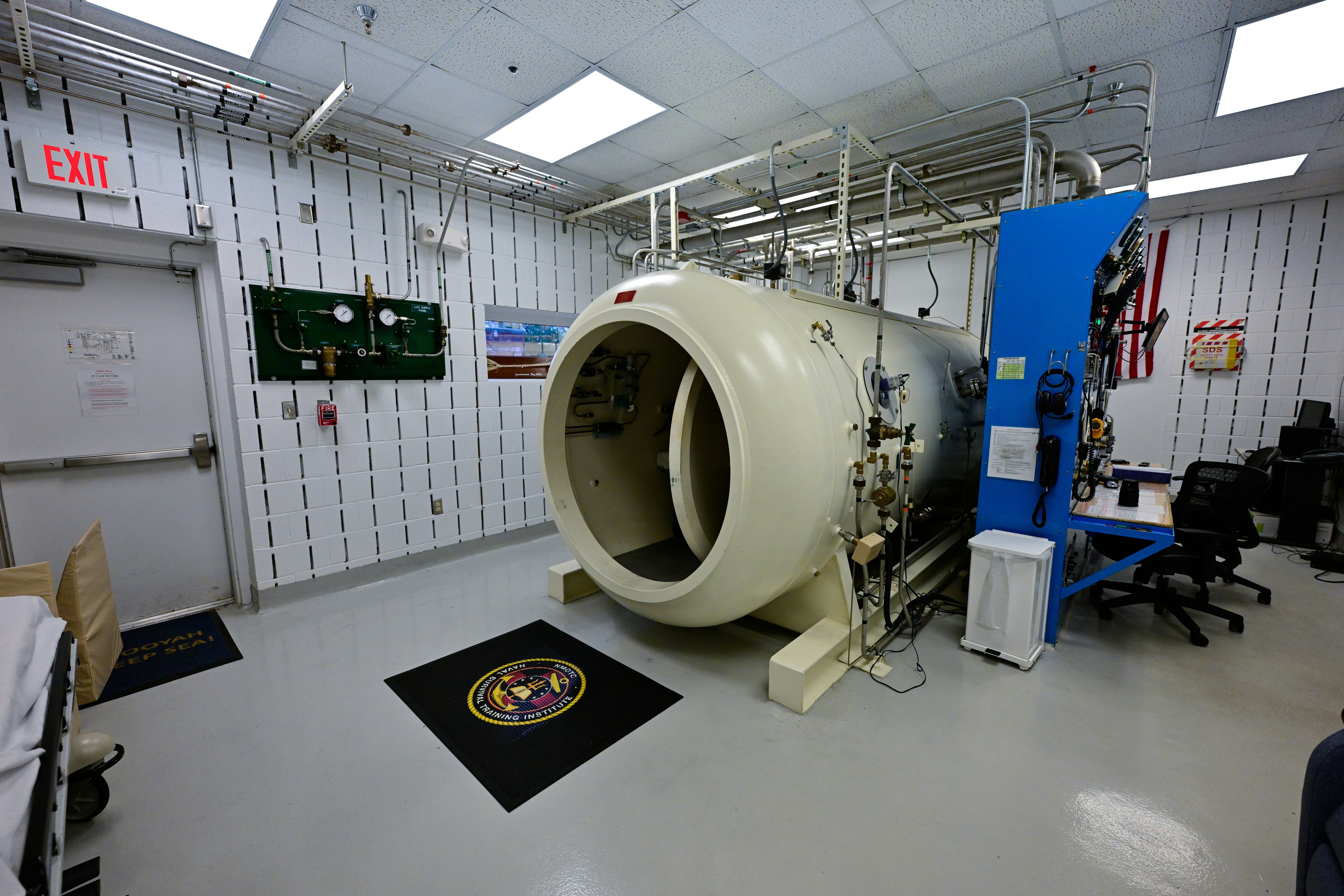
The experience: You lie in a pressurized chamber (1.5-2.0 ATA) breathing pure oxygen. Most people read, watch videos, or sleep. Some feel pressure in their ears during pressurization—like on an airplane.
The cost: Insurance rarely covers HBOT for cognitive enhancement. At $150-300 per session, a full protocol runs $6,000-18,000. Some clinics offer packages.
Before You Start: The Checklist
Medical screening required. You'll need clearance for:
- Ear/sinus health (pressure changes can cause issues)
- Lung conditions (especially pneumothorax history)
- Seizure disorders
- Current medications (some interact with high oxygen)
Questions to ask the facility:
- What pressure do you use? (1.5-2.0 ATA is typical for brain applications)
- What's your protocol for my condition?
- How do you measure progress?
- What are your practitioners' qualifications?
What to Realistically Expect
Timeline: Most people don't notice changes until 10-20 sessions in. Benefits often continue developing after the protocol ends.
Results vary widely. Some people see dramatic improvement. Others see modest gains. A minority don't respond at all. The research shows population-level benefits, but individual responses differ.
It's one tool, not a cure. HBOT works best alongside other interventions: sleep optimization, exercise, cognitive rehab, and medical treatment for underlying conditions.
Finding HBOT in Tampa Bay
Tampa Bay has several HBOT facilities offering brain health protocols. Look for centers with medical supervision and experience with neurological applications.
Explore Hyperbaric Oxygen Therapy in Tampa or browse our HBOT directory.