People search "hyperbaric oxygen therapy benefits" and get two very different kinds of answers. One comes from hospital wound centers treating a short list of serious conditions. The other comes from wellness studios promising sharper focus, faster recovery, and slower aging. Both use a pressurized chamber and oxygen. The evidence behind them is not in the same league.
This guide sorts HBOT benefits by how well they are supported, covers side effects, and points to where you can find hyperbaric oxygen therapy in Tampa Bay.
What Is Hyperbaric Oxygen Therapy?
During HBOT, you breathe close to 100 percent oxygen inside a chamber pressurized above normal atmospheric pressure. Medical HBOT usually runs at 2.0 to 3.0 atmospheres absolute (ATA). Wellness "mild" HBOT usually runs around 1.3 ATA in a soft chamber.
How HBOT Works
Normally, red blood cells carry almost all the oxygen in your blood. Under pressure:
- Extra oxygen dissolves directly into blood plasma
- That oxygen can reach tissue where blood flow is poor
- High oxygen levels help white blood cells kill certain bacteria
- Repeated sessions stimulate new blood vessel growth in damaged tissue
Types of Hyperbaric Chambers
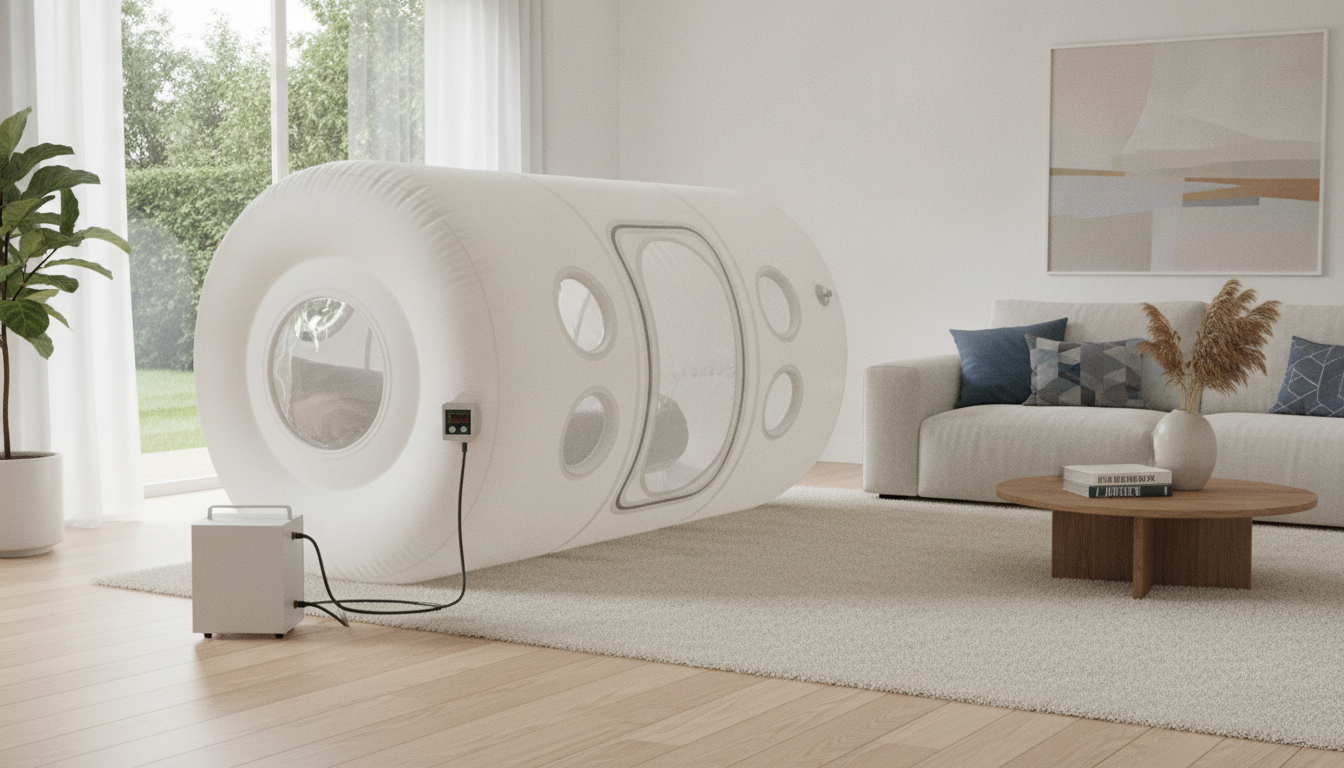
- Monoplace chambers: Single-person clear acrylic tubes, common in hospital wound centers
- Multiplace chambers: Room-sized chambers for several patients, who breathe oxygen through masks or hoods
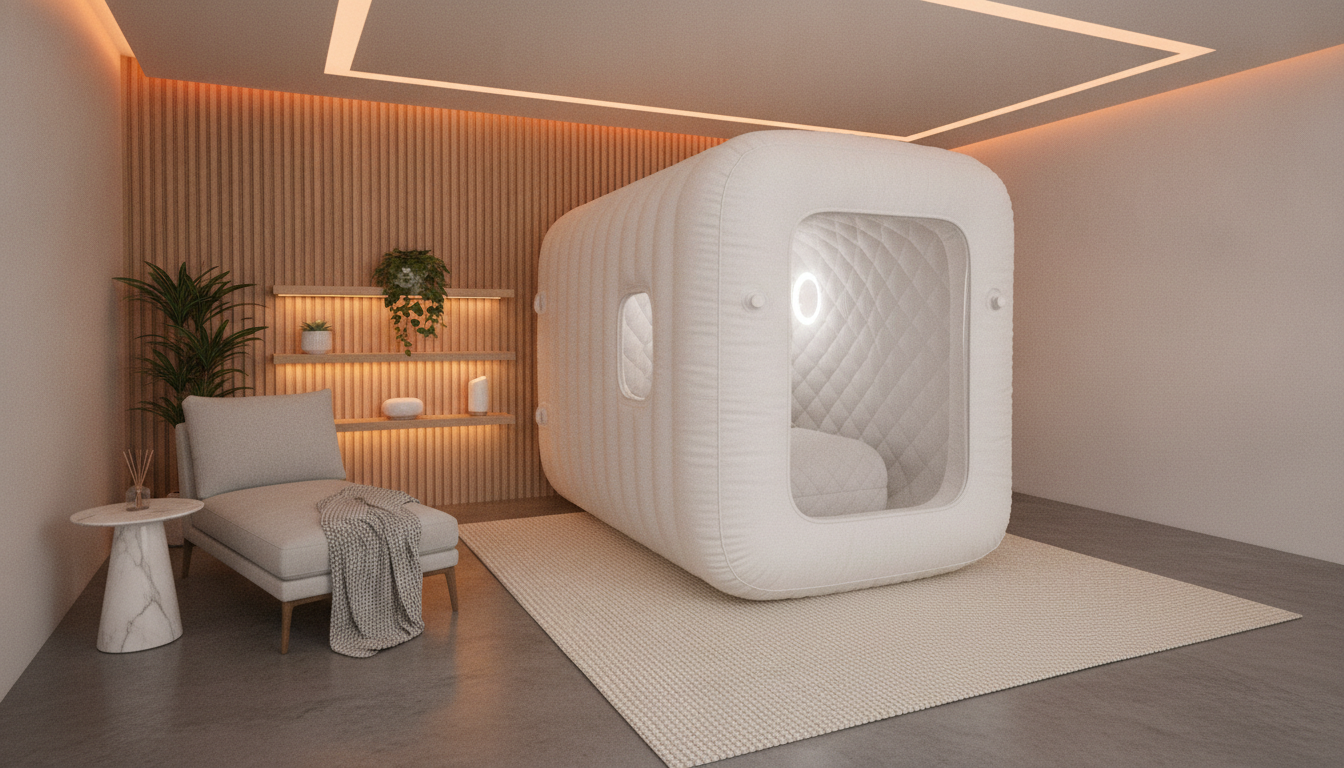
- Soft chambers (mild HBOT): Portable fabric chambers at about 1.3 ATA, used in wellness settings
Hyperbaric Oxygen Therapy Benefits: The Approved Uses
The Undersea and Hyperbaric Medical Society (UHMS) maintains the list of indications that hyperbaric physicians treat. For years the list had 14 approved indications. The UHMS page now lists 15, with avascular necrosis added:
- Air or gas embolism
- Carbon monoxide poisoning, including when complicated by cyanide poisoning
- Clostridial myositis and myonecrosis (gas gangrene)
- Crush injury, compartment syndrome, and other acute traumatic ischemias
- Decompression sickness
- Arterial insufficiencies: central retinal artery occlusion, and healing of selected problem wounds such as diabetic foot ulcers
- Severe anemia
- Intracranial abscess
- Necrotizing soft tissue infections
- Refractory osteomyelitis
- Delayed radiation injury to soft tissue and bone
- Compromised skin grafts and flaps
- Acute thermal burn injury
- Idiopathic sudden sensorineural hearing loss
- Avascular necrosis (aseptic osteonecrosis)
The FDA's cleared uses for hyperbaric chambers track the same list: air or gas bubbles in blood vessels, severe anemia, severe burns, carbon monoxide poisoning, crush injury, decompression sickness, gas gangrene, sudden hearing loss, severe skin and bone infections, radiation injury, skin grafts at risk, sudden vision loss from blocked blood flow, and non-healing diabetic wounds. The FDA has stated it has not cleared HBOT devices for conditions beyond that list.
For these conditions, HBOT is delivered in a hard chamber at clinical pressure, under a physician, usually in a hospital wound center. Medicare and most insurers cover the core list.
Wellness and Off-Label Claims
Outside that list, HBOT is sold for brain health, recovery, and longevity. Some of the research is interesting. None of it has changed the FDA's position.
Brain health and cognition
A 2020 randomized controlled trial in Aging assigned 63 healthy adults over 64 to either HBOT or no treatment for three months. The HBOT group showed better global cognitive scores afterward, with the largest gains in attention and information processing speed, and increased blood flow in parts of the brain on MRI. (Hadanny et al., Aging)
Limits: one research center in Israel, a no-treatment control rather than a sham chamber, and a high-pressure clinical protocol, not a 1.3 ATA soft chamber.
Anti-aging and telomeres
A 2020 study from the same center gave 35 healthy adults over 64 sixty daily HBOT sessions. Telomere length in several types of blood cells increased by more than 20 percent, and the share of senescent T helper cells dropped by about 37 percent. (Hachmo et al., Aging)
Limits: no control group, blood markers rather than health outcomes, and no evidence yet that the changes last or translate into longer or healthier life.
Athletic recovery
Athletes use HBOT to recover from training and injuries. Research on sports recovery is small and mixed, and most of it does not use the soft chambers found in recovery studios. Treat it as an experiment, not a proven tool.
Wound healing outside the approved list
HBOT helps selected problem wounds, which is why it is on the approved list. That does not extend to ordinary cuts, bruises, or post-workout soreness.
Hyperbaric Oxygen Therapy Side Effects
HBOT is well tolerated when screened and supervised, but it has real side effects. Cleveland Clinic lists:
- Ear injuries: Earache, fluid behind the eardrum, or, rarely, a ruptured eardrum. This is the most common problem, and it comes from pressure changes like an airplane descent.
- Sinus pressure: Congestion, runny nose, or sinus headache.
- Claustrophobia: Monoplace chambers are tight. Some people need a larger chamber or a mild sedative.
- Temporary nearsightedness: After 20 or more daily treatments, 20 to 40 percent of people have blurry distance vision for a while. It is more common in people with diabetes or over 65, and vision usually returns to baseline.
- Oxygen toxicity: Rare. It can cause coughing and shortness of breath.
- Seizures: Rare, and linked to oxygen toxicity at higher pressures.
Chambers are also a fire risk because of the high oxygen level. That is why facilities ban electronics, some skin products, and metal objects inside.
Who should be cautious
Talk to a hyperbaric physician first if you have:
- An untreated collapsed lung (pneumothorax), which is a contraindication
- Certain chemotherapy drugs in your recent history
- Ear, sinus, or lung conditions that make pressure changes hard
- A seizure disorder
- Pregnancy
- Severe claustrophobia
What to Expect During HBOT
Before treatment
- Wear the cotton clothing or gown the facility provides
- Skip lotions, hair products, and makeup unless the facility approves them
- Remove jewelry and electronics
- Avoid smoking, which reduces oxygen delivery
During treatment
- Duration: 60 to 120 minutes per session
- Pressure: Increased gradually over several minutes
- Sensation: Ear fullness, similar to an airplane descent
- Activity: Rest, sleep, or watch a screen outside the chamber
Equalizing ear pressure
- Swallow or yawn
- Pinch your nose and blow gently
- Move your jaw side to side
- Tell the operator right away if your ears hurt; they can pause pressurization
After treatment
Cleveland Clinic notes most people can return to their usual activities right away.
How Many Sessions?
It depends on why you are there. For approved conditions, the hyperbaric physician sets the number based on the diagnosis and how you respond. The cognitive and telomere studies above used 60 daily sessions over about three months. Wellness studios often sell much shorter packages; ask what the package is based on.
For current prices, see our hyperbaric chamber cost guide, and read mild hyperbaric oxygen therapy in Tampa before you book a soft chamber.
Finding HBOT in Tampa Bay
Hospital wound care centers across Tampa Bay run hard chambers for the approved conditions, usually by physician referral. Concierge medical practices, integrative clinics, and recovery studios in South Tampa, Westshore, Carrollwood, New Tampa, and Wesley Chapel offer HBOT for wellness use, some in hard chambers and some in soft ones.
When choosing an HBOT provider, ask:
- Chamber type: Hard or soft?
- Pressure: What ATA, and why that level for my goal?
- Supervision: Who screens me, and who is on site during the session?
- Protocol: How many sessions, and what is the plan based on?
- Pricing: What is the single-session price, and what do packages cost?
Find hyperbaric oxygen therapy in Tampa or browse our Tampa Bay HBOT directory.
Sources: Undersea and Hyperbaric Medical Society, HBO indications list; UHMS summary of FDA-cleared HBOT conditions (from FDA MedWatch); Cleveland Clinic, "Hyperbaric Oxygen Therapy"; Hadanny et al., Aging, 2020; Hachmo et al., Aging, 2020.