Your First Cold Plunge: Protocols, Science, and What to Expect
The first 30 seconds feel like controlled drowning. Your lungs seize, your skin screams, and every instinct tells you to get out. Then something shifts—your breathing steadies, endorphins flood your system, and you realize why people keep coming back to 50-degree water.
Cold plunge therapy isn't comfortable. That's the point.
What Is Cold Plunge Therapy?
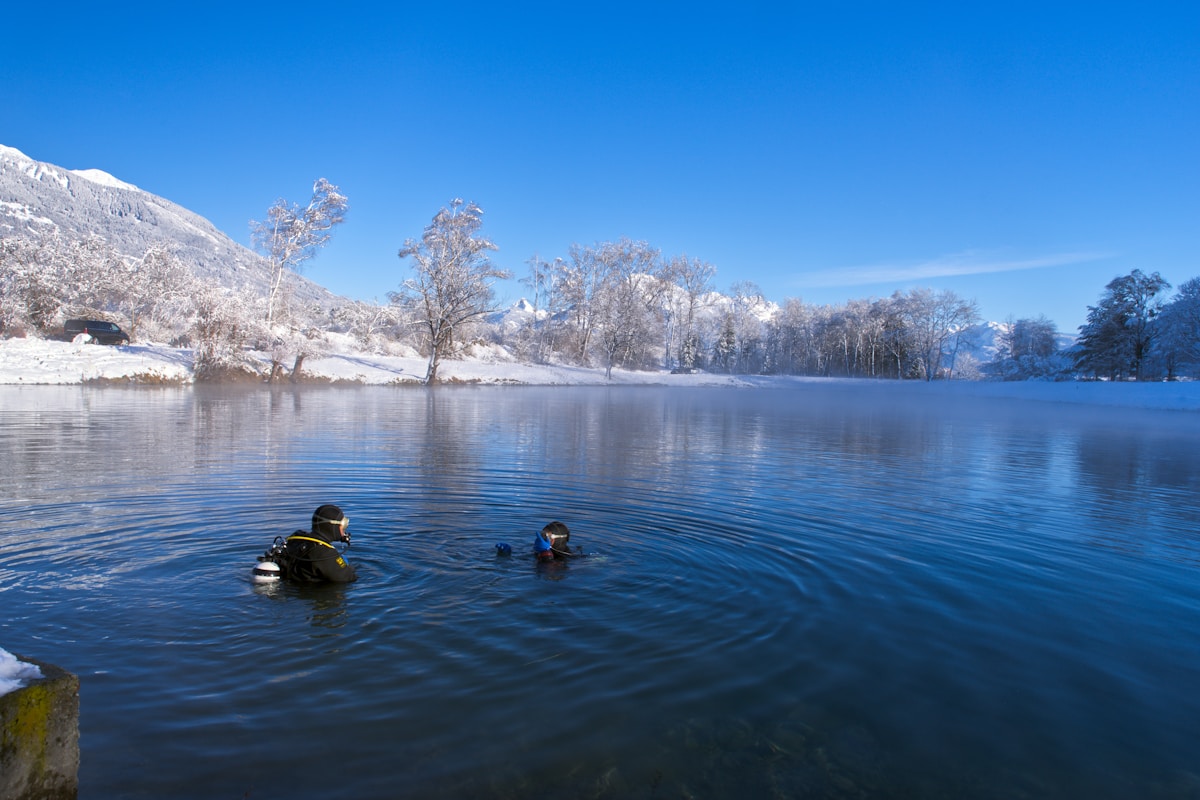
Cold plunge therapy, also known as cold water immersion (CWI) or ice bath therapy, involves submerging your body in water typically between 50-59°F (10-15°C) for a short period, usually 2-15 minutes.
Unlike a quick cold shower, a cold plunge provides full-body immersion that triggers a cascade of physiological responses. The practice has roots in ancient traditions—from Nordic ice swimming to Japanese Misogi rituals—but modern science is now validating what practitioners have known for centuries.
How Cold Plunge Differs from Cryotherapy
While both therapies use cold exposure, they work differently:
- Cold Plunge: Water immersion at 50-59°F for 2-15 minutes. The water conducts heat away from your body 25x faster than air.
- Cryotherapy: Nitrogen-cooled air at -200°F to -300°F for 2-3 minutes. Only skin-deep cooling.
Cold plunge provides deeper tissue cooling and the hydrostatic pressure of water adds additional benefits for circulation and lymphatic drainage.
The Science Behind Cold Plunge Benefits
When you enter cold water, your body initiates a powerful stress response that, when done correctly, leads to numerous adaptations.
1. Reduced Inflammation and Muscle Soreness
Cold water causes vasoconstriction—your blood vessels narrow, reducing blood flow to extremities. This decreases inflammation and the metabolic activity that causes muscle soreness after intense exercise.
A 2012 Cochrane meta-analysis found that cold water immersion significantly reduced delayed-onset muscle soreness (DOMS) compared to passive recovery. (Bleakley et al., Cochrane Database Syst Rev)
2. Enhanced Recovery and Performance
Elite athletes have used ice baths for decades. Systematic reviews and controlled trials show that post-exercise cold-water immersion can modestly reduce muscle soreness and perceived fatigue without impairing muscle glycogen resynthesis compared with passive recovery. (Bleakley et al., Cochrane Review; Gregson et al., Am J Physiol; Tipton, J Physiol commentary)
3. Boosted Metabolism and Brown Fat Activation
Cold exposure activates brown adipose tissue (BAT), a type of fat that burns calories to generate heat. Regular cold plunging can increase brown fat activity, potentially supporting weight management.
Research shows that cold exposure can significantly increase brown fat activity and cold-induced thermogenesis in healthy adults. (Yoneshiro et al., J Clin Invest)
4. Mental Clarity and Mood Enhancement
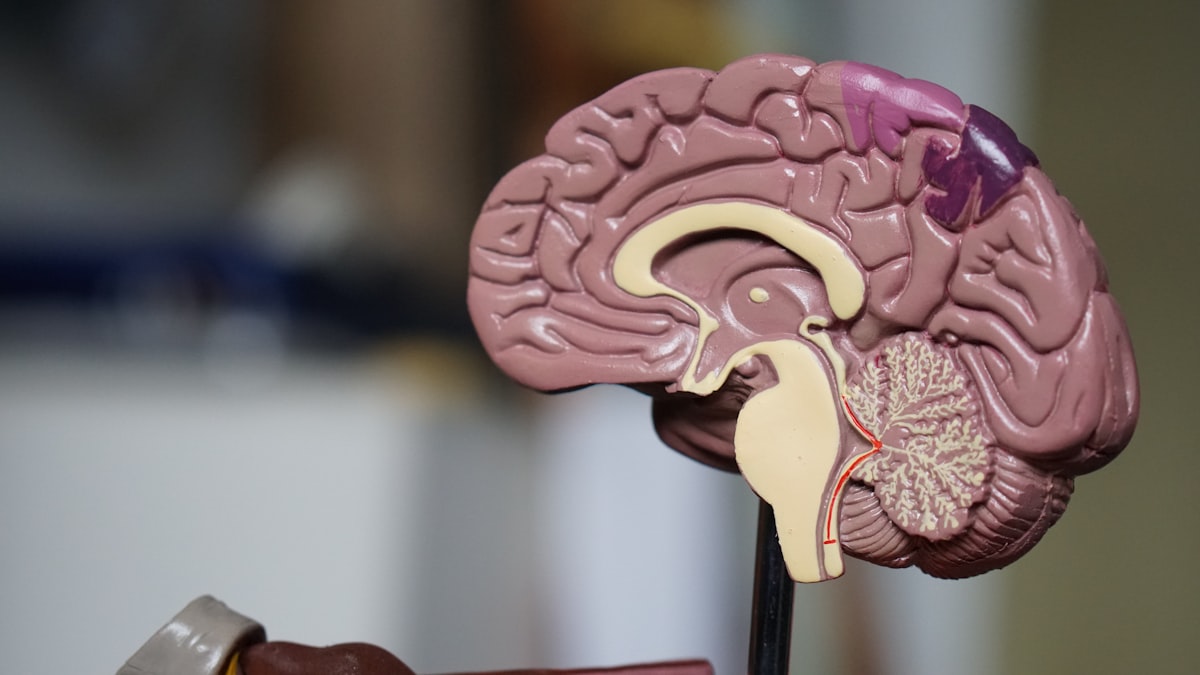
The cold triggers a massive release of norepinephrine—up to 530% above baseline in some studies. (Šrámek et al., Eur J Appl Physiol) This neurotransmitter improves:
- Focus and attention
- Mood and energy
- Stress resilience
Many practitioners report feeling euphoric and mentally sharp after sessions, often describing it as a "natural high."
5. Improved Immune Function
A landmark Dutch study of over 3,000 participants found that those who ended their showers with cold water reported 29% fewer sick days from work. (Buijze et al., PLoS ONE) Participants showed:
- Fewer flu-like symptoms
- Reduced inflammatory markers
- Enhanced immune response
What to Expect During Your First Cold Plunge
Before You Plunge
- Hydrate well - Drink water beforehand
- Avoid eating - Wait 1-2 hours after meals
- Warm up lightly - Some movement helps
- Set your intention - Mental preparation matters
The First 30 Seconds
The initial shock is the hardest part. Your body will want to gasp and hyperventilate. Focus on:
- Slow, controlled breathing - In through nose, out through mouth
- Relaxing your shoulders - Tension makes it harder
- Staying calm - The shock passes quickly
Minutes 1-3
Your body begins adapting. The intense cold sensation diminishes as:
- Skin receptors become less sensitive
- Endorphins start releasing
- You find your rhythm
After Exiting
You'll likely experience:
- Tingling sensations
- Increased alertness
- A sense of accomplishment
- Gradual warming (avoid hot showers immediately)
Cold Plunge Protocols: How Long and How Cold?
For Beginners
- Temperature: 59-65°F (15-18°C)
- Duration: 1-2 minutes
- Frequency: 2-3x per week
For Intermediate Users
- Temperature: 50-59°F (10-15°C)
- Duration: 3-5 minutes
- Frequency: 3-5x per week
For Advanced Practitioners
- Temperature: 39-50°F (4-10°C)
- Duration: 5-15 minutes
- Frequency: Daily or twice daily
Who Should Try Cold Plunge Therapy?
Cold plunge is particularly beneficial for:
- Athletes seeking faster recovery
- People with chronic inflammation
- Those dealing with stress or anxiety
- Anyone wanting to build mental resilience
- Biohackers optimizing performance
Who Should Avoid Cold Plunge
Consult a doctor first if you have:
- Cardiovascular conditions
- Raynaud's disease
- Cold urticaria (cold allergy)
- Uncontrolled hypertension
- Pregnancy
Finding Cold Plunge Facilities in Tampa Bay
Cold plunge has exploded across Tampa Bay. South Tampa's Bayshore and Hyde Park areas have boutique recovery studios with controlled-temperature plunges. Downtown Tampa and Westshore offer quick-access options. Carrollwood has established wellness centers. Wesley Chapel's Wiregrass corridor, New Tampa, and Tampa Palms are seeing rapid growth in dedicated recovery lounges. Lutz and Land O' Lakes are catching up as demand spreads north.
When choosing a facility, consider:
- Water quality and filtration - Clean, well-maintained tubs
- Temperature consistency - Properly chilled water
- Session length options - Flexibility for your level
- Complementary services - Sauna, contrast therapy
- Pricing structure - Drop-in vs. membership
Ready to experience cold plunge therapy? Find the best cold plunge studios in Tampa or browse our cold plunge directory for more options.