The Quiet Pink Room
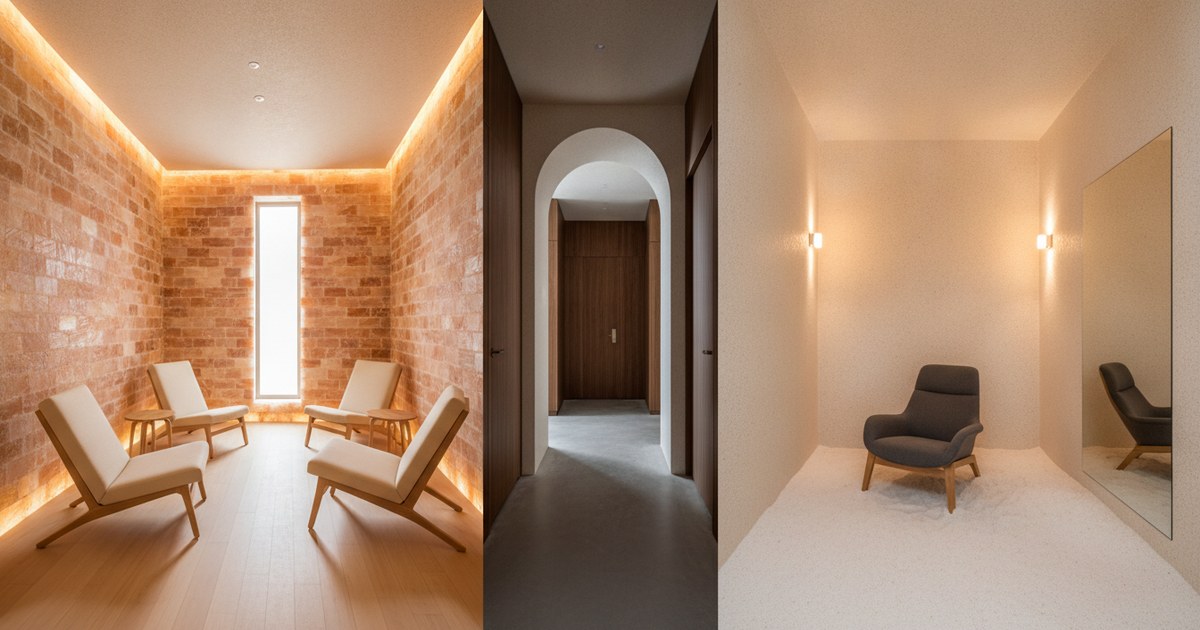
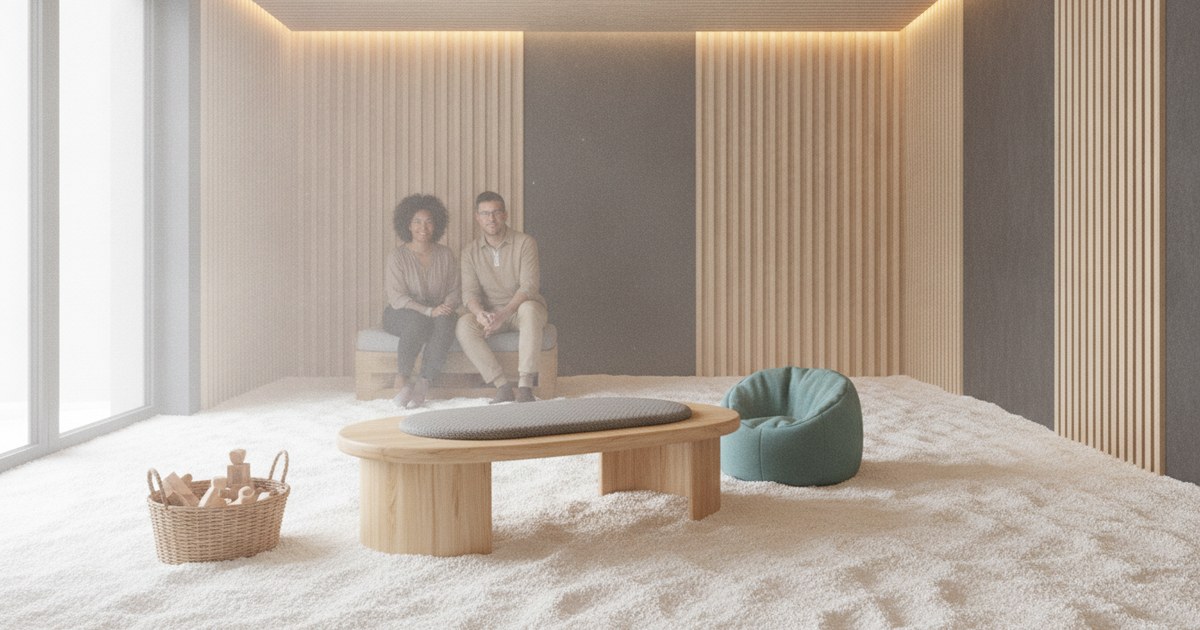
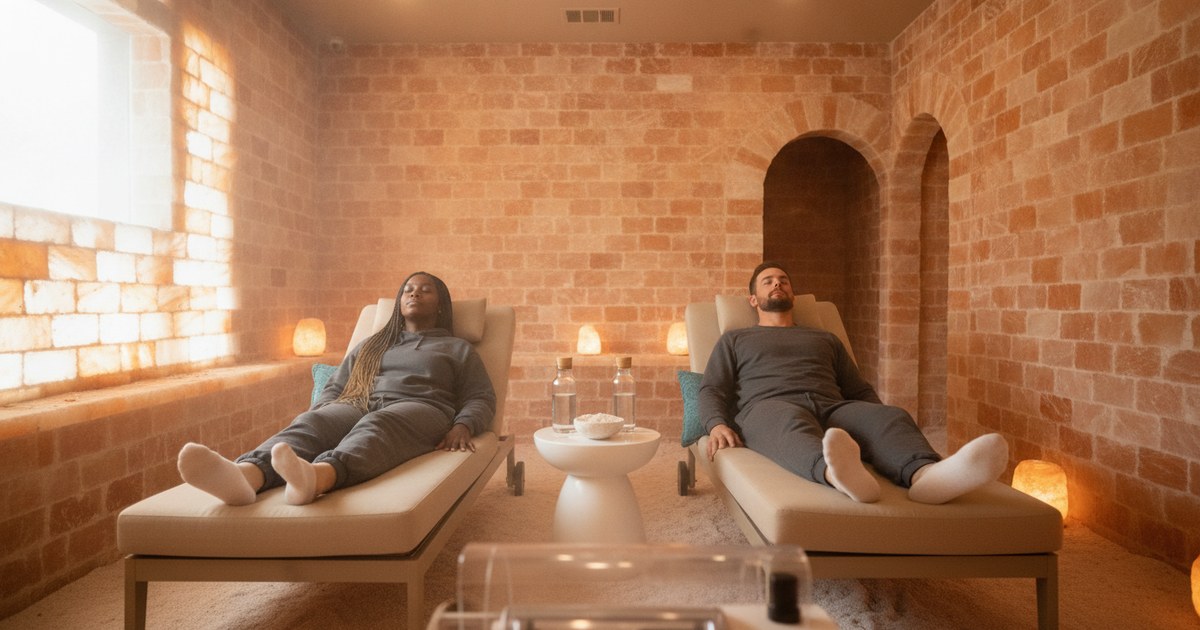
A Tampa salt room is not what most people picture. Movies and Instagram suggest something dramatic. The reality is closer to a dim spa lobby with pink-tinted walls, soft lighting, and four or five recliners. Nobody talks. A faint hum comes from the machine that makes the whole thing work.
Your first visit usually catches you off guard because the experience is so much less than the marketing. That is a feature.
What You Are Breathing
A halogenerator sits somewhere in the room or behind a vent. The machine grinds pharmaceutical-grade salt into micron-sized particles and disperses them into the air. The salt aerosol settles on your skin and lines your airway as you breathe normally.
You will not see the salt in the air. You might notice a faint mineral taste after a few minutes. The salt on the walls is decorative. The salt you inhale comes from the machine.
Tampa studios run sessions between 30 and 45 minutes. That window is long enough for the aerosol concentration to coat your respiratory tract and short enough that you do not get fidgety in the recliner.
What the Room Looks and Feels Like
Walking in, expect:
- Dim, warm lighting with pink or amber tones
- Walls or floor surfaced with Himalayan salt blocks or compressed salt panels
- Three to six zero-gravity recliners or padded chairs
- A small side table with a basket of throw blankets
- Optional ambient music or pure quiet
Temperature is set somewhere between 68 and 72 degrees with low humidity. Cooler than you might expect for a relaxation space, which is intentional. Salt aerosol disperses better in dry air.
The vibe is closer to a meditation room than a treatment room. Nobody touches you. There is no oil, no equipment to operate, no protocol to learn.
What to Wear
Loose, comfortable clothes work best. Avoid:
- Heavy perfume or cologne, which competes with the salt and bothers other guests
- Wet hair, which traps salt against your scalp and dries unevenly
- Anything you would mind getting a light dusting on
You can leave on your contacts. Some studios provide shoe covers; others ask you to slip your shoes off at the door.
Most studios let you bring a phone but request silent mode and no conversation. If you have to take a call, step out.
The 40 Minutes, Minute by Minute
A typical Tampa session goes something like this:
- Minutes 1 to 3: settle into the recliner, adjust the blanket, let your eyes adapt to the light
- Minutes 4 to 8: notice the halogenerator hum, become aware of your breathing, drift toward a quieter mental state
- Minutes 9 to 25: most people relax fully, some fall lightly asleep, others read or scroll
- Minutes 26 to 40: a deeper rest window where the room feels timeless
- Final 2 minutes: a soft tone or attendant signal closes the session
You leave with a faint salt residue on your skin. Some people notice a tickly throat that clears within minutes. Most report a calm that typically lasts a few hours.
Who Salt Rooms Help, and Who They Do Not
Salt therapy has the strongest case for:
- Mild allergic rhinitis, especially during Tampa pollen seasons
- Recurring sinus congestion without active infection
- People with stable asthma looking for complementary support
- Stress and sleep, treating the session as a meditation aid
- Skin conditions like mild eczema or psoriasis, with longer-term use
The case is weaker for:
- Severe respiratory illness or acute infections
- People expecting a detox or immune reset
- Anyone hoping for visible cosmetic skin change after a session or two
A few Tampa studios market salt therapy as a cure for chronic conditions. Salt therapy is supportive, not curative; studios claiming otherwise are overstating the evidence.
What to Ask Before You Book
A few questions cut through the marketing:
- Do they use an active halogenerator or a passive salt-wall room? Active is the version with research behind it.
- What is the typical session length and how many people share the room?
- Is there a beginner package or single-visit option before committing to a membership?
- Do they offer adult-only sessions or family-friendly time blocks?
A studio that can answer these clearly is taking the therapy seriously. A studio that pivots to wellness language without specifics is selling vibes, which is still a valid purchase, just price it accordingly.
After Your First Session
The salt aerosol keeps doing light work on your airways for an hour or two after you leave. A glass of water on the way home is a reasonable habit. Some people notice a brief cough as the airway clears, which passes.
Salt therapy compounds. A single session gives you a snapshot. A short block of three to six sessions over a couple of weeks tells you whether the modality fits your goals. If allergy season is your reason, time the block to peak pollen weeks rather than spreading it thinly across months.
For the broader picture on salt therapy and where to find studios in the Tampa area, see our salt therapy for allergies in Tampa, and the Tampa salt therapy directory.