Why Contrast Therapy Fits Tampa Specifically
Tampa stays warm enough that your body never fully cools down after a summer run. You spend the evening trying to bring core temperature back down and rarely get there before bed. Cold exposure in a structured session finishes that process in a way passive rest does not.
The argument for contrast therapy here is climate-specific: the format completes a thermal cycle Tampa keeps starting. Somewhere colder this is a novelty. Here it fills a gap.
What A Session Feels Like
A cycle runs 10-15 minutes in the sauna, 60-90 seconds in the cold plunge, two-minute rest, repeat two to three times.
The first heat round is easy. Around minute six you loosen up, sweating starts, jaw unclenches. By minute ten you're calculating whether to skip the cold. Go in.
The first plunge is the worst: shoulders rise, breath wants to shorten. Breathe slow and watch the seconds. You come out with bright pink skin and a specific alertness that sauna alone doesn't produce.
The second heat round is slower, more settled. The second plunge is much easier. By the third cycle most people go quiet. A drowsy alertness sets in. You leave functional rather than wrung out. That's why people make this a weekly habit instead of a one-off.
The Tampa Athlete Use Case
Marathon and triathlon trainees in summer blocks
A long run on Bayshore in July grinds you down in ways that don't surface until afternoon. A contrast session after that run keeps you functional enough for quality work the next morning, especially in heavy training weeks.
Soccer, lacrosse, and rugby players
Multi-day tournaments in heat are the ideal use case. Between game days, contrast helps legs feel less heavy. Whether that's real recovery or psychological reset matters less than players showing up the next day able to compete.
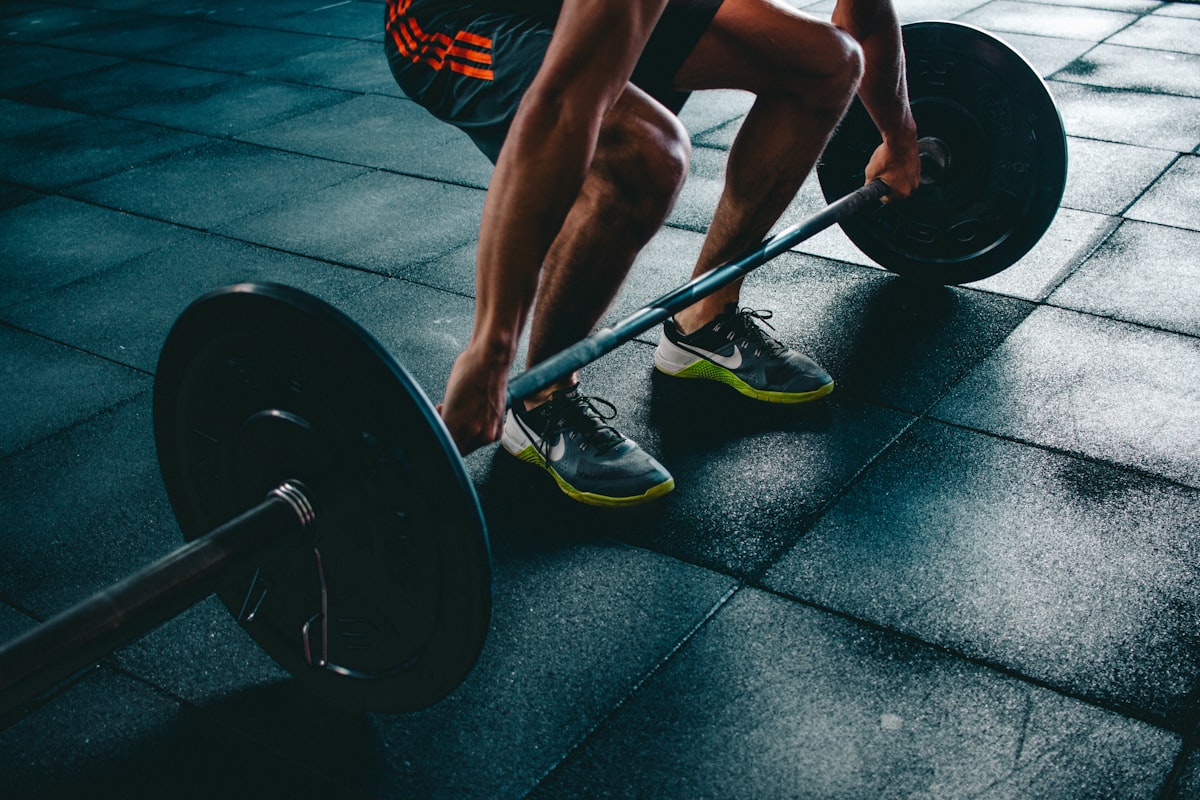
Strength athletes during deload weeks
Cold exposure right after a hard strength session may blunt adaptation you're trying to build. Deload weeks are where contrast fits: restoration without a competing stressor.
Masters athletes
Recovery windows compress with age and joint stiffness gets louder. Contrast consistently feels useful to people in this group, partly because of joint warmth from the heat half, and partly because cold tolerance improves with practice.
When It's A Poor Investment
Skip contrast therapy if:
- Your training volume doesn't require recovery support
- Sleep, hydration, or fueling are the real bottleneck
- You're doing it instead of strength training because it feels productive
- Your week is already overloaded and this becomes one more obligation
A deeply fatigued athlete in the middle of overtraining needs rest, not contrast. Almost any active intervention makes overtraining worse.
Cold exposure raises blood pressure briefly. People with cardiovascular issues, uncontrolled hypertension, or pregnancy considerations should check with their physician first. Studios will ask.
The Dropout Pattern
Most people don't quit contrast therapy because it stops working. They quit because the cold half is harder to maintain than they expected.
The pattern: motivated start, six to eight sessions, then showing up only for the sauna. A few months in, visits drop. Within a quarter, they've cancelled.
Going twice a week with a training partner survives this curve much better than going alone on no fixed schedule. Pairing the session with something already in your week, like Saturday long run plus Saturday afternoon contrast, anchors the habit better than motivation does.
How Tampa Studios Typically Run This
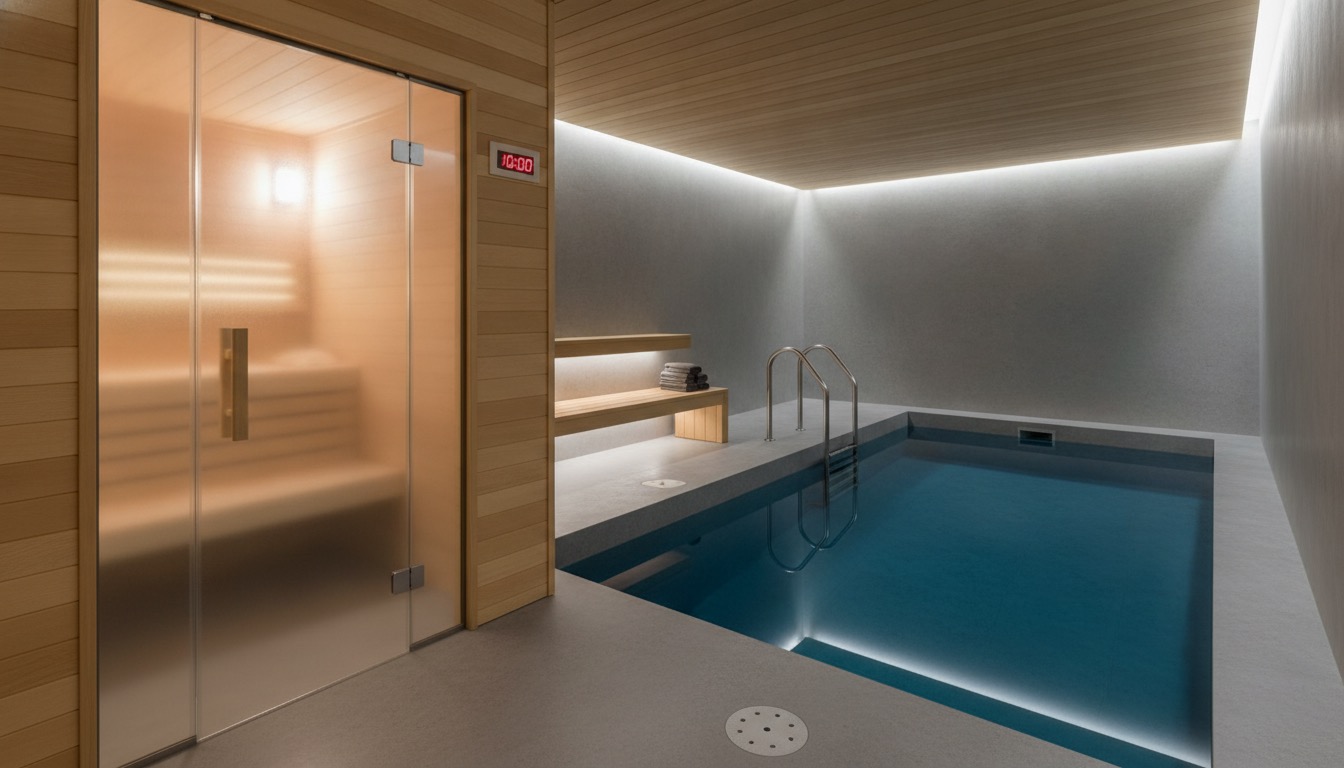
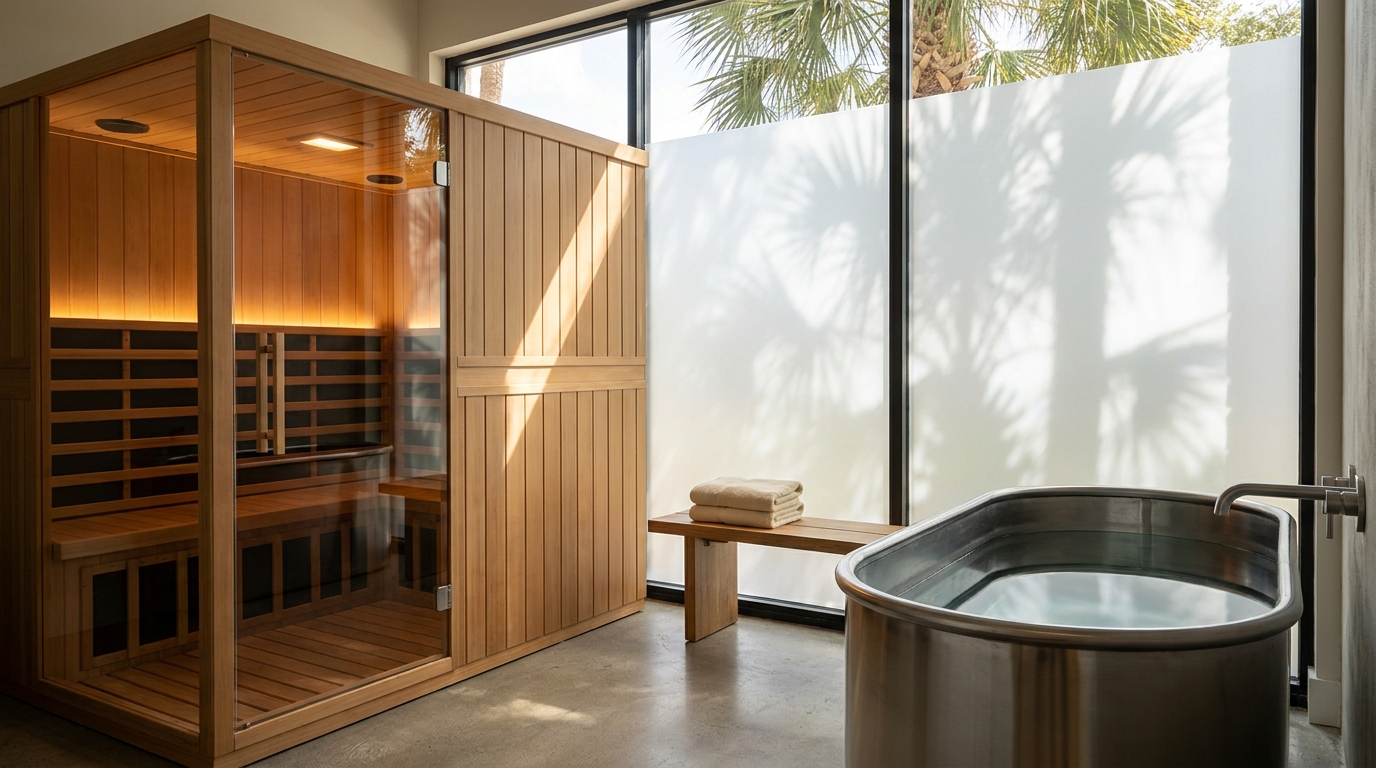
Most local recovery studios run contrast in 45 or 60-minute blocks with sauna and plunge in the same suite or adjacent rooms. Some use infrared sauna instead of traditional: gentler heat, longer to feel it, less wallop at the end. Either version works for cycling.
For studio options, the contrast therapy in Tampa page has the list. The underlying physiology is in contrast therapy: hot-cold cycling explained. For post-workout timing, sauna and cold plunge after workouts covers when to use it and when to skip it.
The Short Version
Contrast therapy earns its place in Tampa for climate-specific reasons. You're already heat-loaded. Cold rebalances something. The cycling format leaves you alert rather than wrecked, which is why people stick with it longer than sauna alone.
It doesn't replace sleep, training discipline, or the boring fundamentals. On top of a sound week it pulls its weight. Substituted for those fundamentals, it's an expensive way to feel productive.
Give it a real trial: six to eight sessions over a month to see if week three feels different from week one.