Per session, red light is one of the cheapest things on a Tampa wellness menu. Per month, it is not. The gap between those two sentences is the entire pricing story, and it comes down to frequency.
Nobody sells red light as a one-time event. It is sold as a habit, and habits have a monthly number.
What a Session Costs
Around Tampa Bay, a single red light therapy session generally falls between $20 and $45. That is a typical band, not a quote, and studios vary.
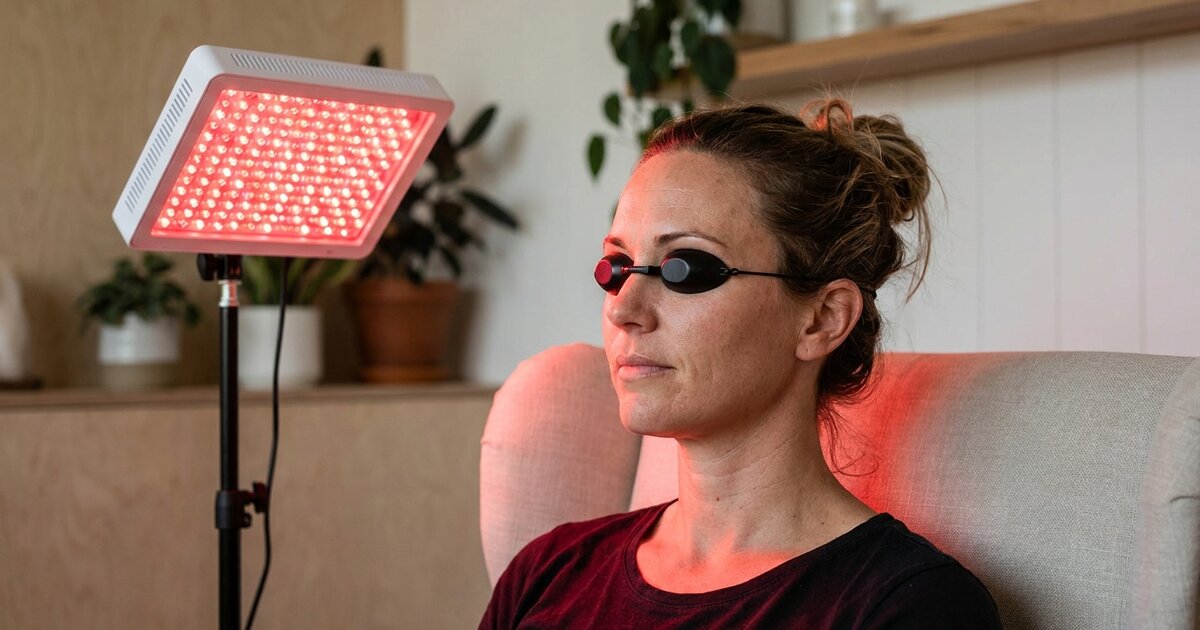
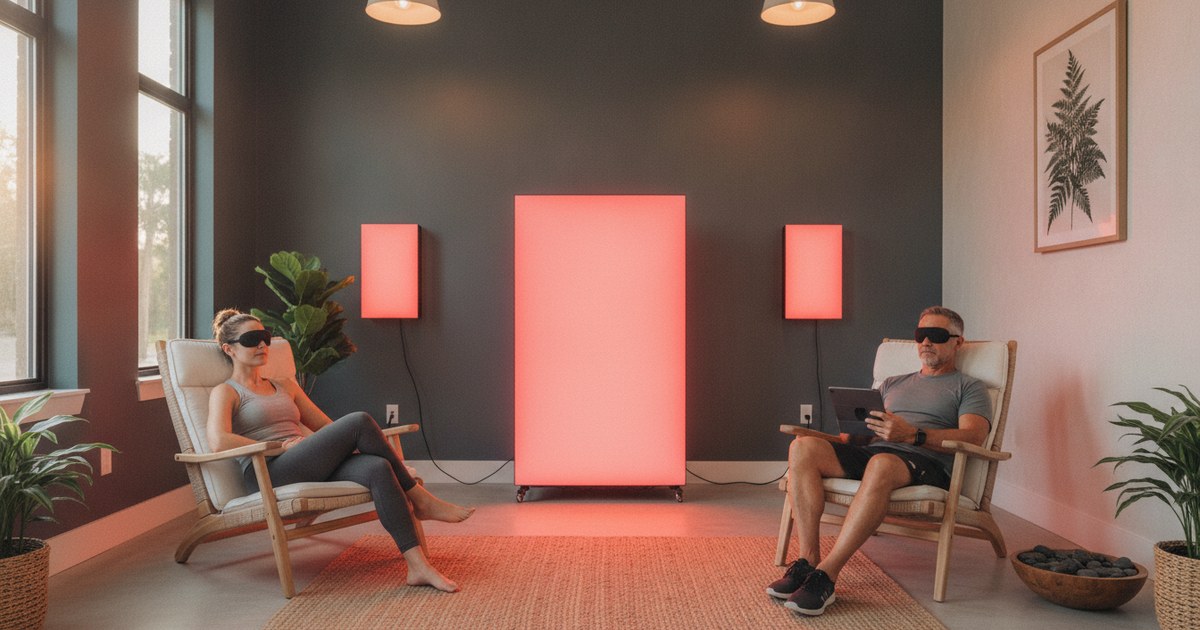
Two formats sit inside it. A targeted panel session, usually 10 to 20 minutes aimed at a face, a shoulder, or a scalp, sits toward the bottom. A full body bed, where you lie inside a clamshell of LEDs for a similar stretch, sits toward the top. The bed covers more skin per minute, which is most of what you are paying for.
Revive Sauna Suites in Wesley Chapel (2607 Windguard Cir Suite 101) sells red light both on its own and paired with an infrared sauna suite. Sage Holistic Spa in Lutz (26612 Magnolia Blvd) runs it alongside sauna and cold plunge. Pause Studio Midtown Tampa (1113 Assembly Dr) and both Restore Hyper Wellness locations, Carrollwood (13158 N Dale Mabry Highway) and Westchase (10718 Countryway Blvd), include it in credit-based membership systems rather than posting a flat walk-in rate. MyJourneyMD in Land O' Lakes (19455 Shumard Oak Drive Unit 106) bundles it into monthly wellness tiers.
The full local picture is on the red light therapy in Tampa page.
Frequency Is What Actually Sets Your Budget
Here is where the cheap session price stops being the useful number.
For skin goals, studios commonly suggest three to five short sessions a week for an opening stretch of several weeks, then a lighter maintenance schedule. I want to be careful with that sentence: it describes what studios recommend, not a promised outcome or a clinically settled dose.
But take it at face value and do the arithmetic. Three visits a week at $30 is roughly $360 a month. Four visits a week at $25 is about $400. The session that felt inexpensive turns into one of the larger lines in a wellness budget, and it does so quietly, one small charge at a time.
That is the real reason red light pricing confuses people. They compare a $30 session to a $79 float and conclude red light is cheap. The float is once a month. The red light is twelve times.
If you are pricing sessions for inch loss, read red light therapy for weight loss first.
Where Memberships Change the Picture
This is exactly why studios push memberships for light therapy harder than for almost anything else.
Monthly memberships covering red light in this market generally run $100 to $250, again as a typical range. Against a habit of three visits a week, that is a large discount. Against a habit of two visits a month, it is worse than paying per visit.
The question to ask before signing is not the price. It is the structure. Some memberships are genuinely unlimited for red light because the marginal cost to the studio is electricity and a room. Others meter it through credits, where red light costs fewer credits than cryotherapy or sauna but still comes out of a monthly allotment. Those two arrangements look identical on a price sheet and behave completely differently once you are visiting four times a week.
Home Panels
A panel at home solves the frequency problem in the only way that really works, which is by removing the drive.
Consumer panels come in rough tiers. Small handheld and desk units cover a face or a patch of skin. Mid size panels cover a torso from a few feet away. Large full body panels and multi panel setups approach studio coverage and take up wall space accordingly. Above those sit professional units of the sort studios actually buy.
Prices vary widely within every one of those tiers and change constantly, so look up current numbers on the specific unit rather than trusting a figure in an article. Then divide: panel price divided by local session price gives you the visit count where the panel pays for itself. At three sessions a week, break-even often arrives in months rather than years, which is why panels are a reasonable purchase for the genuinely consistent. If you're looking at a face mask instead of a panel, see do red light masks work.
What you give up is coverage, output, and time. Smaller panels mean treating one region at a time, which stretches a 15 minute studio session into a longer routine at home. Consumer irradiance figures are also notoriously inconsistent between brands, so two panels that look similar can behave differently. The science behind red light therapy for skin and recovery is worth reading before you spend, because wavelength and distance matter more than the number of diodes in a marketing photo.
Red Light as an Add-On
The cheapest frequency most people can buy is the attached session.
If you already visit a studio for infrared sauna, adding red light usually costs less than a standalone session, and some studios build combined packages around the pair. Same with PEMF at studios that run both. When the visit is already happening, the marginal cost of ten more minutes under a panel is small.
That structure also solves a behavioral problem. Frequency fails when it requires a separate trip. Stapling light therapy to something you already do is the version people stick with, and photobiomodulation for acne scars is a goal that only pays off with consistency over months.
Who Should Not Buy a Panel
Anyone who has not established the habit at a studio first. A panel bought in January and used twice is the most expensive red light in Tampa.
Anyone chasing a goal that needs coverage a small panel cannot give. Scalp work is a good example: red light therapy for hair growth generally involves specific devices rather than a general panel pointed vaguely upward.
And anyone who wants to know whether they respond at all before spending. A month of studio sessions costs less than most panels and tells you something a spec sheet cannot. Other modalities in the same family are grouped under light therapy if you want to compare before committing to any of it.
The pattern I keep seeing is that people research panels for weeks and then buy one before they have ever done ten sessions in a row. The equipment question gets all the attention, and the calendar question is the one that decides whether any of it was worth the money.